Author
Zigurat Global Institute of Technology
Categories
he 1960s was a transformational era, that brought along the change of thought-paradigm, rupture with old values, and creation of new musical, artistic and constructive movements. Thus, when it comes to the construction, in the 1960s the architecture was used as an instrument of political and social manifestation, as well as cultural. This was an era full of daring projects based on questioning concepts, while searching for new heights and breaking free of the old paradigm.
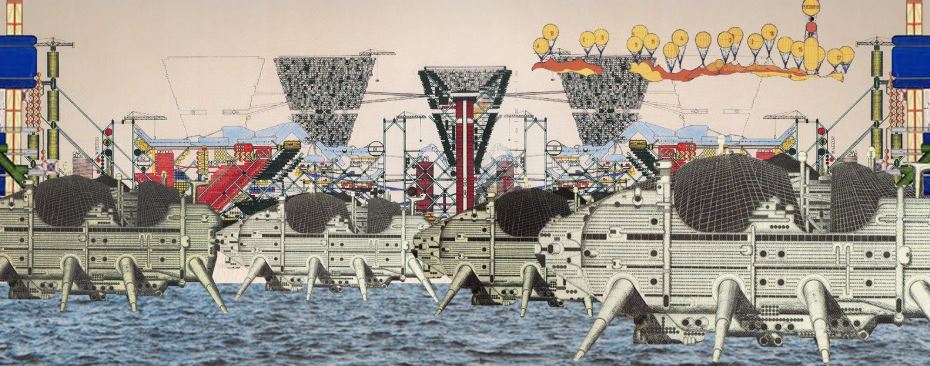
The architecture of the 1960s has some key characteristics and inspiring world-renowned movements that, to this day, have a notable influence on the construction sector. Ant Farm (San Francisco - USA): Inspired by the Bay Area counterculture, Ant farm avant-garde design practice celebrated the flexibility and lightness of architecture. 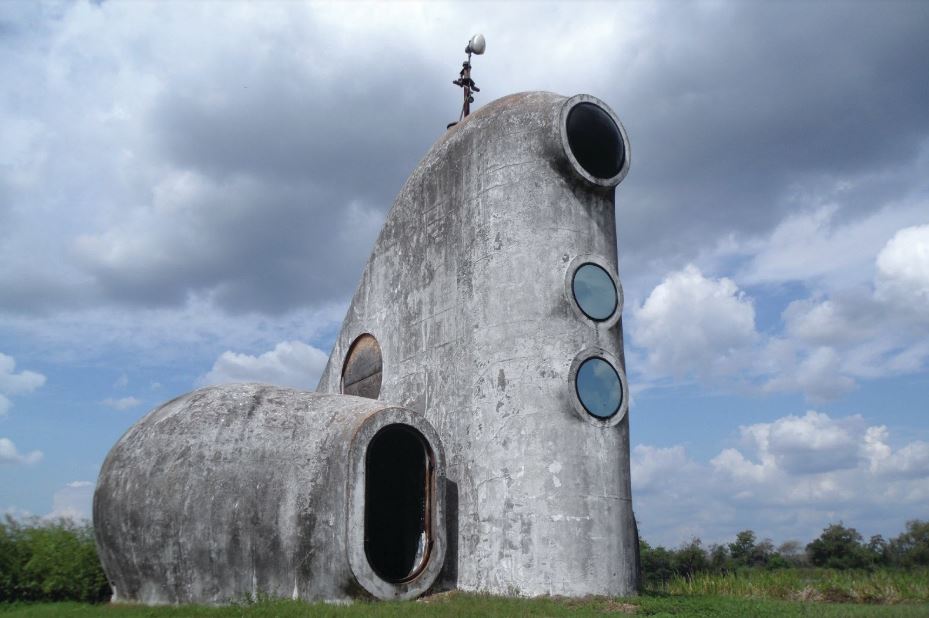 Archigram (United Kingdom): Constructions made with fantastic references of science fiction, publicity creations, comics and pop art. Archigram avant-garde architectural group designed large structures, portable dwellings, inflatable villages, and mobile towns. Their designs were adaptable and took advantages of very advanced technologies for the time.
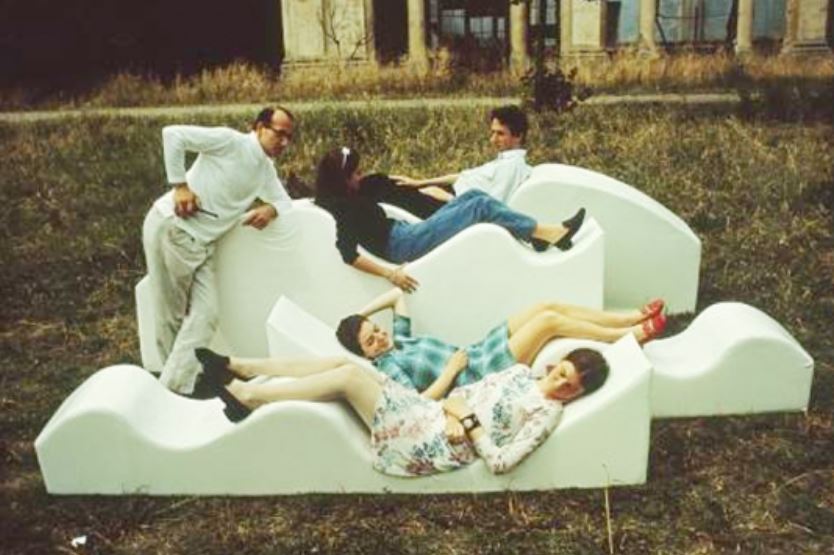
  Archizoom Associati (Italy): This design studio departed from an eclectic and kitschy aesthetic, making use of satire, subversion and caricaturing reality. All this was represented using sculptural forms and vivid colors.
  Haus-Rucker-Co (Vienna): Stands out for precious contemplative and recreational spaces. They played with human perception and presented a new reality, also broadened the senses and altered spatial perception.
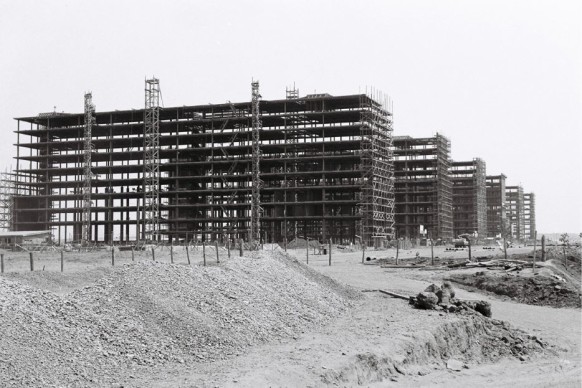
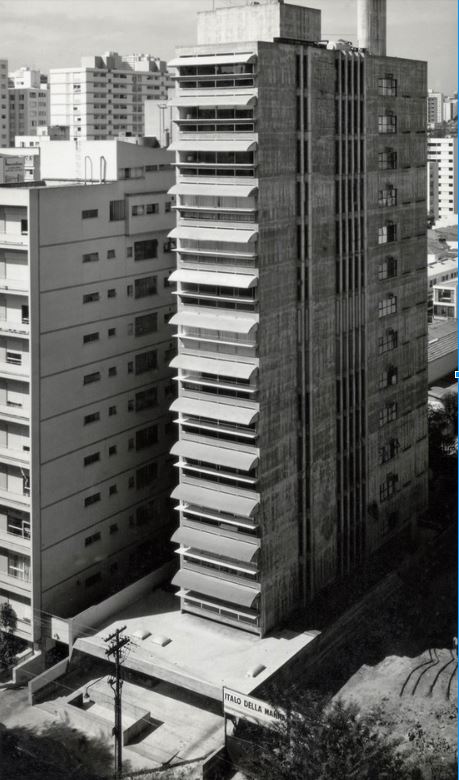
 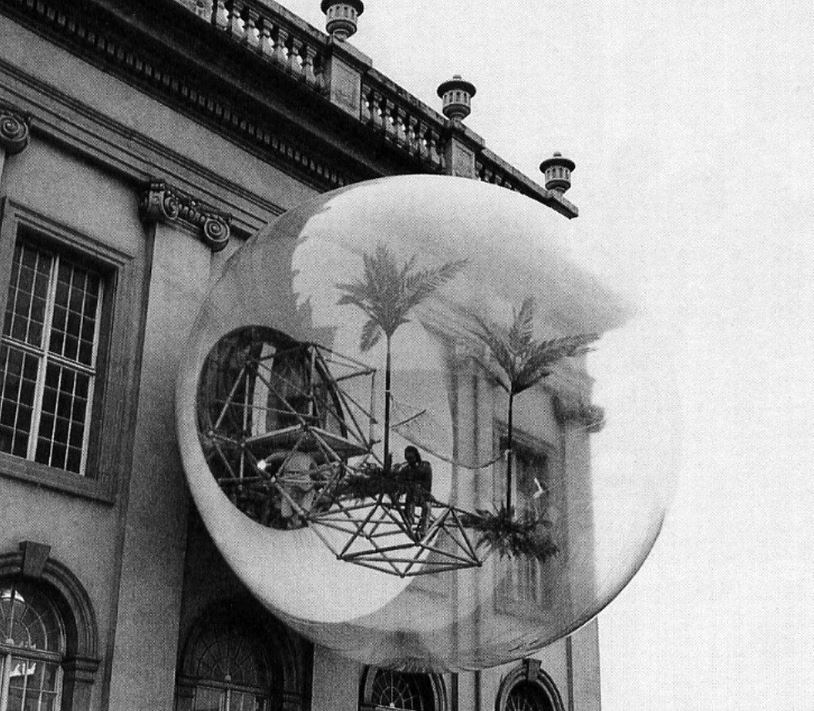 Brutalist architecture (Brazil): At the time of the Brazilian military dictatorship the modernist style was put into practice in order to express the national identity. The works, composed of reinforced concrete, prioritized the height, and many residential buildings shared space with businesses.
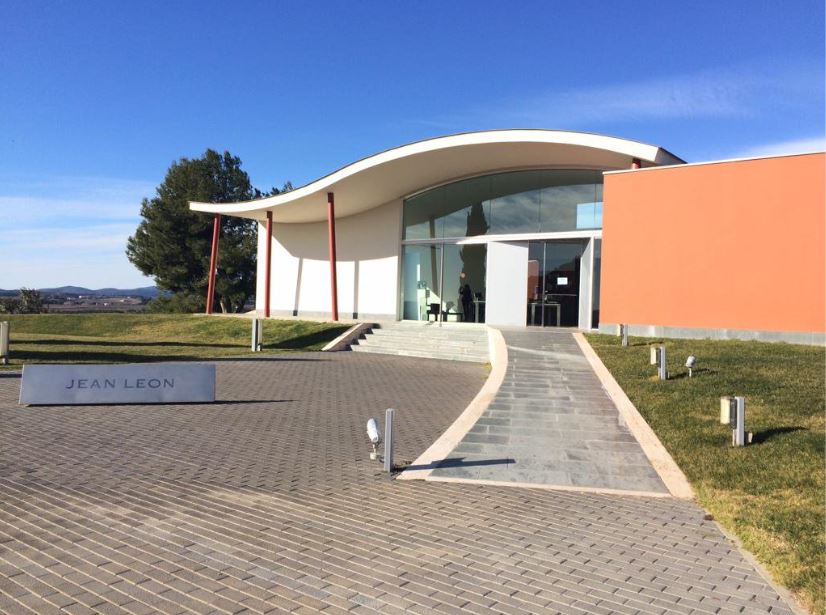
  Minimalist Architecture (Spain): Minimalism was represented through numerous curved lines, cool visuals and clean aesthetics.
 The architecture of the 1960's and its representation in the present day
Life is made of cycles and the redemption of the past has always played a part in the scene of art, music, politics and construction. Therefore, among the attempts to escape from the obvious and to bring to the projects an informal and irreverent air, some solutions thought of in the architecture of the 60s, have nowadays become mainstream trends. For instance, the most outstanding references to the 60's architecture that have become a trend today are:
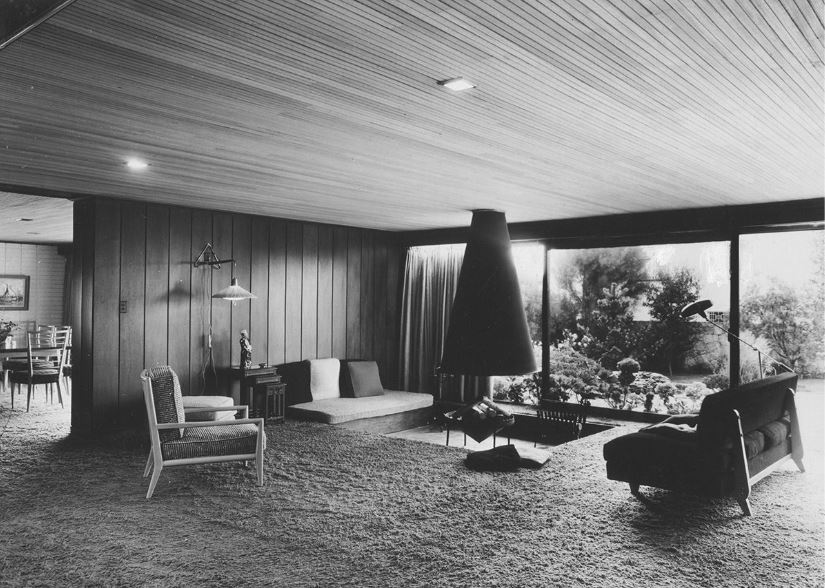 Photo: Loft 1960s
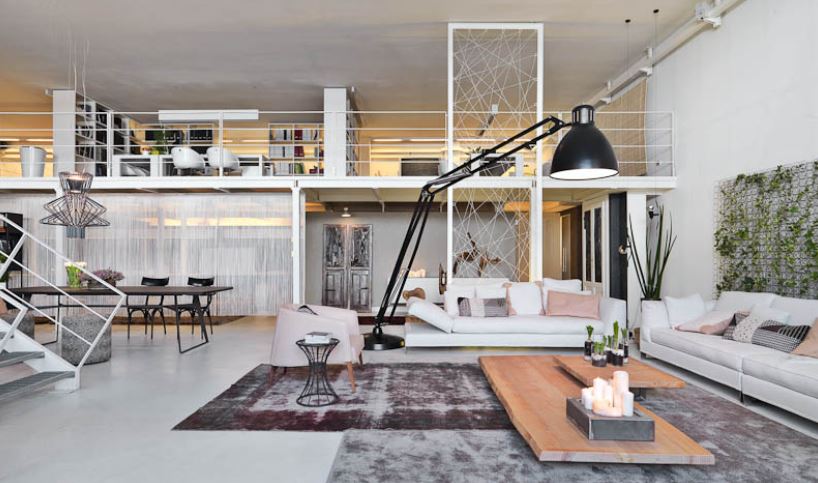 Photo: Old warehouses refurbished and transformed into luxury apartments
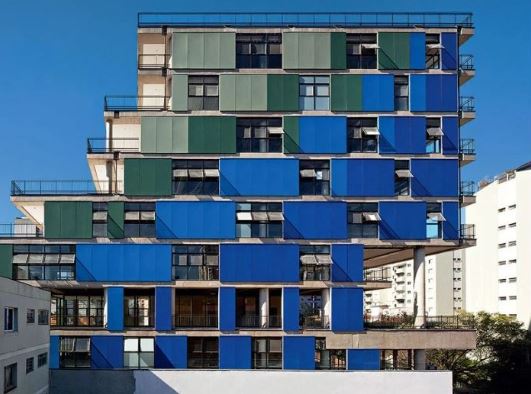
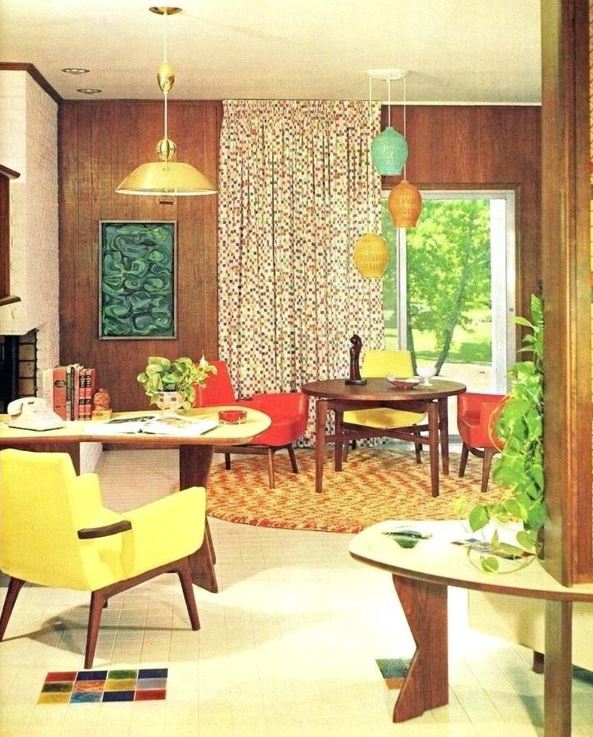 Photo: Home Decor 1960s.
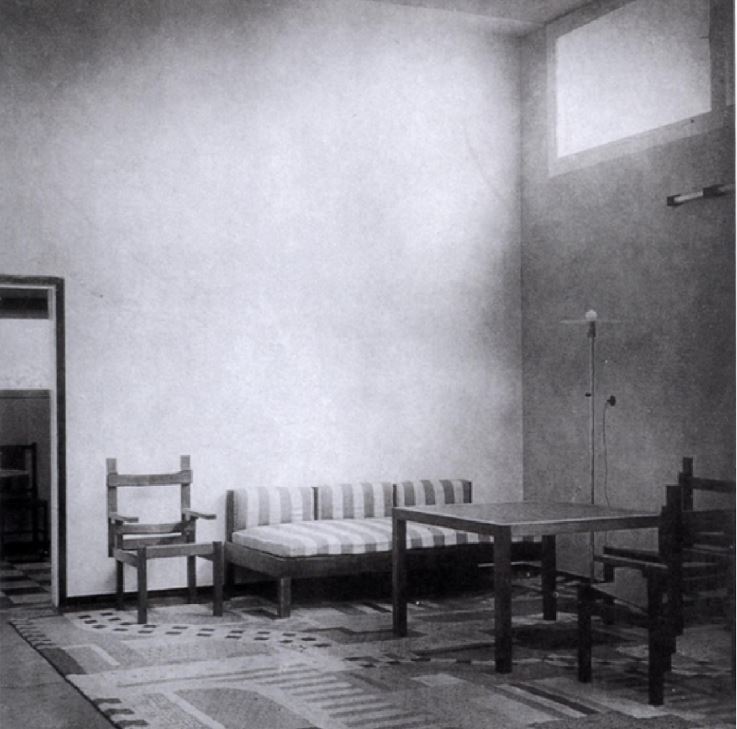 Photo: Bauhaus Style
 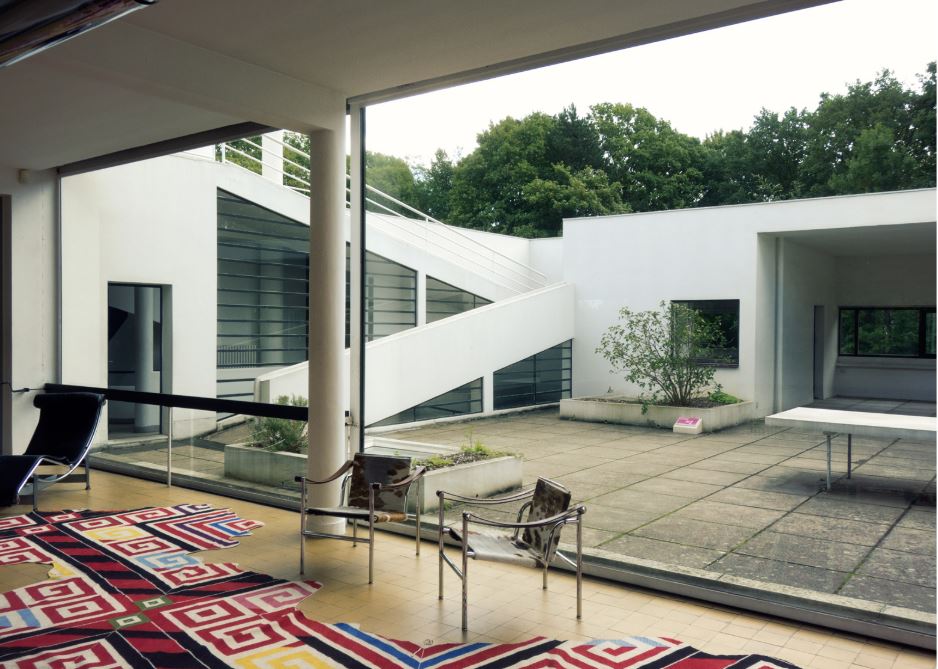 Photo: Bauhaus style influence in modern architecture
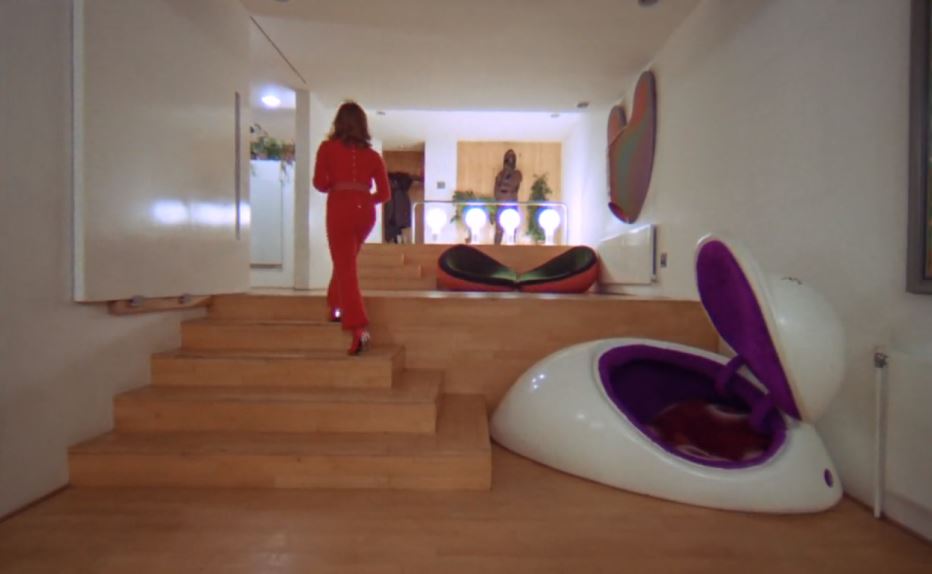 Photo: Home Decor 1960s Style (pop art)
 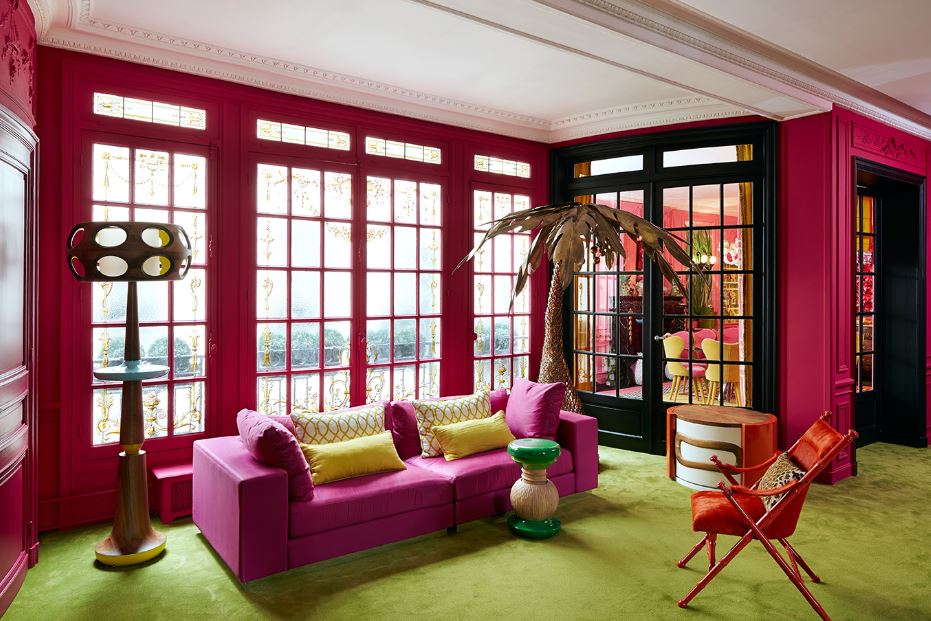 Photo: Current Home Decor inspired by the 1960s (pop art)
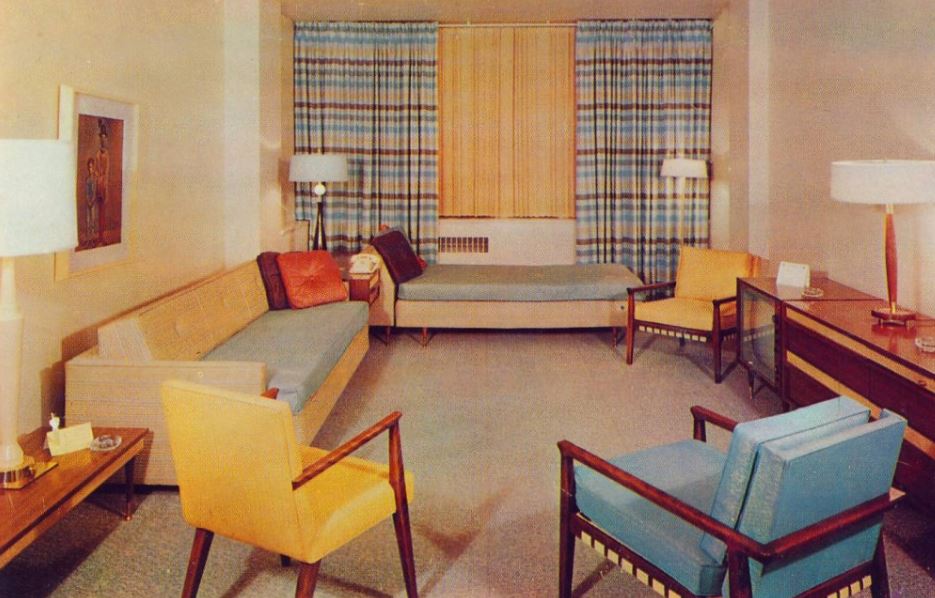 Photo: Home Decor 1960
  Photo: Home Decor, inspired by the 1960s
So, the 60s represented a rupture with the old way of building and left a legacy still influential on the current projects. As a consequence of digital transformation, the current construction scene is also quite revolutionary. Or in other words, the BIM architecture is the great revolution in the way of building of our current era, it is the new tendency, it is the future. After all, architecture based on information modeling through the construction of a virtual project, documentation of information, technology and collaborative work, allows all those involved in a constructive project to interact and modify information in real time. In this way, the BIM methodology results in the architectural projects being more efficient, sustainable and also makes them more economical in terms of time and money, since it avoids rework and makes it possible to reduce errors. 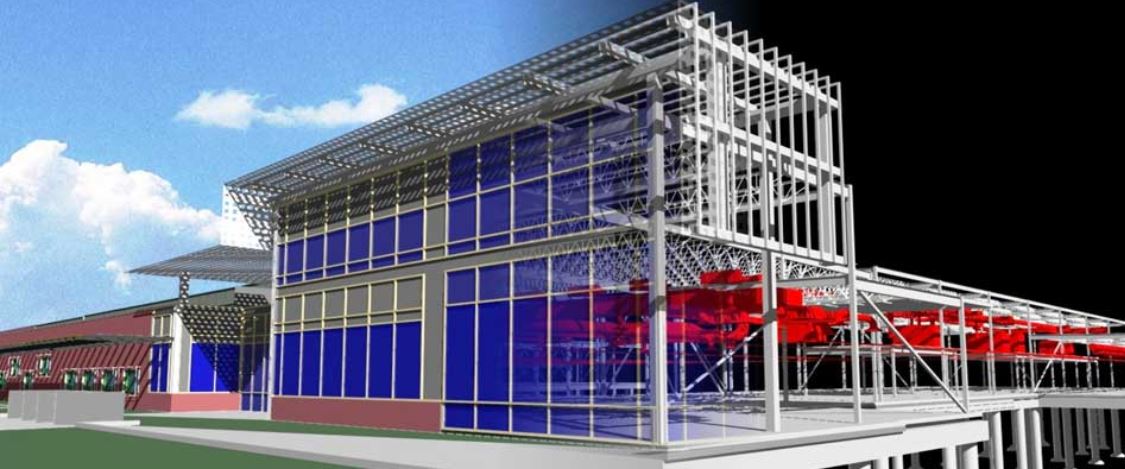
Zigurat Global Institute of Technology
Related module